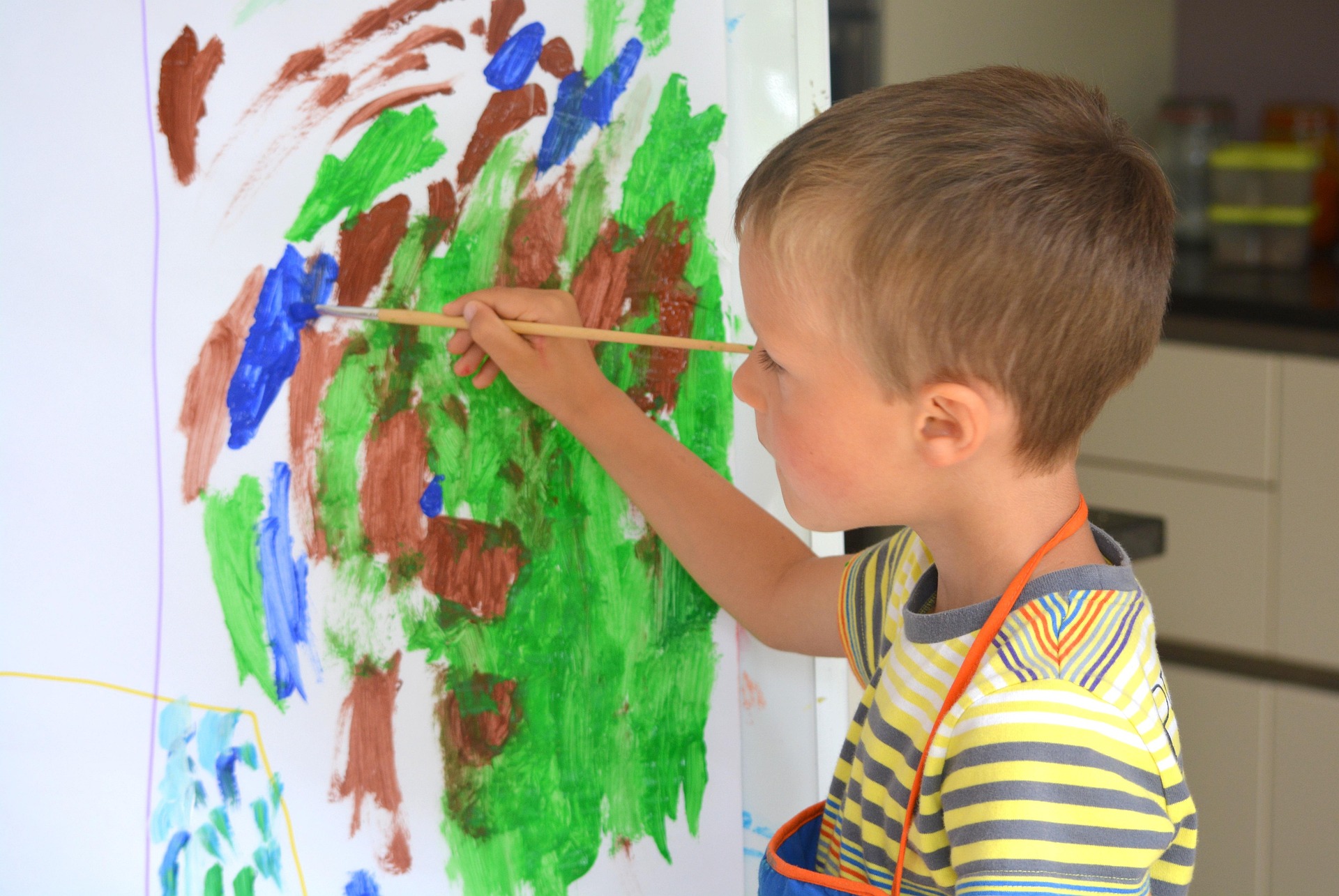
Describe a Child Who Loves Drawing/Painting
IELTS CUE CARD TOPIC
Describe a Child Who Loves Drawing/Painting IELTS Cue Card
You should say:
-Who he/she is
-How/ When you knew him/her
-How often he/she draws/paints
-And explain why you think he/she loves drawing/painting
Sample 1
There is no denying this conviction that children are naturally inclined towards creative activities, and drawing is one of them. Here, I would like to talk about a child who loves drawing, and that is my nephew.
He is around 10 years old, and I know him very closely because he often visits our house on weekends. From a very young age, he has shown a keen interest in drawing and painting.
He draws almost every day. Whenever he gets free time, he prefers to sit with his sketchbook and colours instead of playing outdoor games. Sometimes, he even spends 2 to 3 hours continuously drawing different things like cartoons, nature scenes, and animals.
There is no denying this conviction that in this contemporary epoch, many children are more inclined towards mobile phones, but he is completely different. He always chooses drawing over screen time, which is quite impressive.
I believe he loves drawing because it gives him a sense of happiness and satisfaction. Moreover, his parents always encourage him and appreciate his work, which motivates him further.
All things considered, drawing is not just a hobby for him but a passion, and I strongly believe that he can achieve something big in this field in the future.
Follow-ups
1.What is the right age for a child to start learning drawing?
There is no denying this conviction that learning should start at an early age. In my opinion, a child can start drawing from the age of 3 or 4. At that stage, children are very curious and creative. If they are guided properly, they can develop this skill effectively.
⸻
2. Why do most children draw more often than adults?
In this contemporary epoch, adults are facing a pressing problem of busy schedules and work pressure. On the other hand, children have more free time and fewer responsibilities. Moreover, children have a creative mindset, whereas adults become more practical with time. That is why children draw more often than adults.
3. Why do some people prefer visiting galleries or museums instead of viewing art online?
There is no denying this conviction that real-life experience is always better than virtual experience. When people visit galleries or museums, they can see the artwork closely and understand the details more effectively. Moreover, the environment of such places enhances the overall experience, which is not possible online.
4. Do you think galleries and museums should be free of charge?
In my opinion, to a certain extent, they should be free of charge because it will encourage more people to visit and gain knowledge. However, higher authorities also need funds for maintenance. So, a minimal fee can be charged instead of making it completely free.
5. How do artworks inspire people?
There is no denying this conviction that artworks play a crucial role in influencing people’s thoughts. They convey messages, emotions, and real-life situations. Many people get motivated by paintings and creative work, which helps them to think differently and develop new ideas.
6. What are the differences between reading a book and visiting a museum?
Reading a book is more about imagination and understanding through words, whereas visiting a museum is a practical experience. In a museum, people can see things in reality, which creates a deeper impact. Both have their own importance, but museums provide a more visual and engaging experience.
⸻